
industry applicationsconstruction
Construction Logo Design That Builds Client Trust
Learn how construction logo design builds client trust and establishes your brand. Discover proven s...
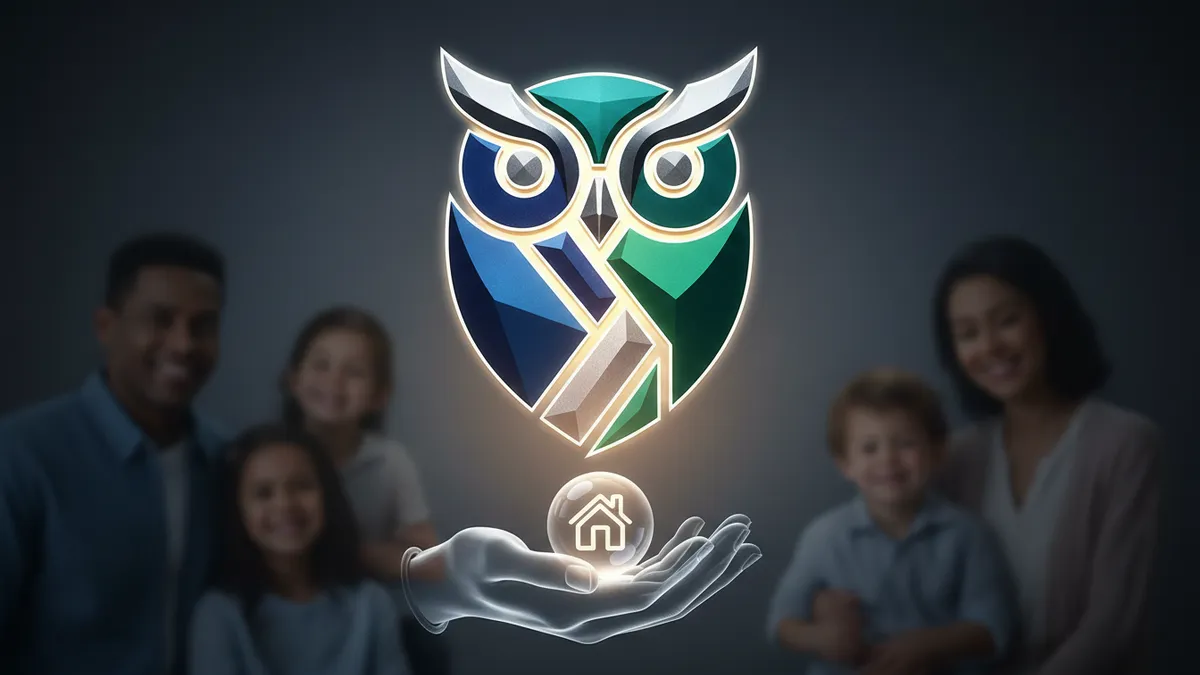
Discover how an edtech logo redesign maintains parent trust while modernizing your brand. Learn key strategies to refresh your visual identity effectively.
Discover how an edtech logo redesign maintains parent trust while modernizing your brand. Learn key strategies to refresh your visual identity effectively.
A parent's decision to trust an edtech platform with their child's learning often comes down to a split-second visual judgment. That snap assessment happens before they read a single testimonial or watch a product demo. I once worked with an edtech startup that had stellar curriculum, glowing teacher reviews, and a churn rate that baffled everyone. The culprit? A logo redesign six months earlier that swapped their warm, approachable wordmark for something that looked like it belonged on a cryptocurrency exchange. Parents didn't consciously think "I don't trust this anymore." They just... left.
Redesigning an edtech logo is one of the highest-stakes branding moves in education technology. Get it right, and you modernize without losing the trust you've built. Get it wrong, and you watch enrollment numbers slide while your support team fields vague complaints about the platform "feeling different."
Most edtech redesigns fail not because the new logo is ugly, but because it breaks an emotional contract with parents. Research on brand familiarity shows that consumers develop attachment to visual identities through repeated exposure, and even minor changes can trigger a sense of unfamiliarity that registers as distrust Zajonc, 1968. For parents choosing a learning platform for their kids, that distrust hits harder than it would for, say, a food delivery app.
Think about it this way: parents aren't your typical consumer. They're making a decision on behalf of someone vulnerable. The visual cues they rely on are different from what a B2B buyer or a casual shopper might notice. They're scanning for warmth, safety, and credibility simultaneously.
This is where edtech brands face a unique challenge compared to other industries. In pet industry branding, for instance, a logo refresh can lean heavily into playful energy without much risk. A pet food brand can swap its serif font for a rounded sans-serif and customers barely blink. But an edtech company making that same move might accidentally signal "we're less serious about education now."
The companies that handle this well tend to follow one principle: evolve the feeling, not just the form. Before touching a single pixel, run a logo analysis on your current mark to understand exactly which visual elements are carrying the trust load.
Parents process edtech logos differently than designers do, and eye-tracking research confirms this gap. While a designer might focus on kerning and negative space, parents are unconsciously evaluating three things: color temperature, typographic weight, and the presence (or absence) of human or organic shapes.
Color temperature matters enormously. A study on color and trust perception found that blues and greens consistently score highest for trustworthiness in educational contexts Labrecque & Milne, 2012. That doesn't mean every edtech logo needs to be blue. But if your current logo uses a warm navy and you redesign with electric violet, expect parents to feel unsettled even if they can't articulate why. Understanding the psychology of color before a redesign is non-negotiable.
Typographic weight sends signals too. Heavier fonts suggest stability and authority. Lighter fonts suggest modernity and approachability. The sweet spot for edtech? Medium-weight typefaces that feel both contemporary and grounded.
One thing designers overlook: organic shapes. Rounded letterforms, soft icons, and curved containers all activate associations with safety and care. Sharp geometric angles can work brilliantly in fintech or SaaS branding, but they create subtle tension in a context where parents are thinking about children.
Cross-industry lessons are underused in edtech branding conversations. Beauty brand identity redesigns, for example, offer a masterclass in maintaining emotional resonance during visual evolution. Premium cosmetics brands routinely refresh their packaging and logos while preserving the core "feel" that loyal customers associate with quality. Cosmetics branding teams obsess over continuity of texture, finish, and proportion in ways that edtech designers should study closely.
Here's what's interesting: the animal logo design space has solved a problem that edtech brands struggle with constantly. Brands using animal mascots (think Duolingo's owl) have a built-in trust anchor. The mascot can be redrawn, recolored, even animated, and as long as the character remains recognizable, the emotional connection survives. Pet brand logo design follows the same logic. The animal becomes the continuity thread.
For edtech brands without a mascot, the equivalent trust anchor might be a specific color ratio, a distinctive letter shape, or a consistent spatial relationship between icon and wordmark. Identify that anchor before you redesign. Then protect it at all costs.
Our case studies include several examples of education brands that successfully navigated this exact challenge, preserving recognition while modernizing their visual presence.
Start with measurement, not mood boards. Before any creative work begins, you need baseline data on how your current edtech logo performs emotionally. A neuroscience-backed analysis can tell you which elements trigger trust, which ones feel dated, and which ones parents genuinely don't notice at all.
From there, follow this sequence:
This framework mirrors what successful school branding projects use, adapted for the faster-moving edtech space.
Even a perfectly designed edtech logo can tank trust if the rollout is handled poorly. Parents are pattern-matchers. When they open an app and the logo looks different, their first instinct isn't "oh, a nice refresh." It's "wait, is this the right app? Did something change? Is my child's data still safe?"
That reaction sounds extreme. It isn't. A 2019 study on digital service trust found that unexpected visual changes in platforms handling personal data triggered measurable anxiety responses in users Pengnate & Sarathy, 2017. For platforms handling children's data, multiply that anxiety.
So what does this mean for your brand? Communicate the change before it happens. Send an email. Post a short video from your CEO explaining the why behind the redesign. Show the old and new logos together. Frame it as growth, not replacement.
Consider this: Slack's 2019 logo change generated significant backlash despite being a well-executed design. The issue wasn't the logo itself. It was the surprise. Parents using your edtech platform deserve even more advance notice than adult professionals using a workplace chat tool.
Worth noting: your app store icon is often the first place parents encounter the change. Update it last, not first, so the in-app experience has already prepared them.
You can't manage what you don't measure, and too many edtech brands treat a logo redesign as "done" once the new files are uploaded. The real work starts after launch.
Track these metrics for 90 days post-redesign:
Running a logo evaluation three months after launch gives you hard data on whether the new mark is performing better or worse than its predecessor on trust, memorability, and emotional resonance. If something's off, you still have time to adjust before the perception calcifies.
Brands that invest in building trust through visual identity treat measurement as an ongoing practice, not a one-time checkbox.
Most edtech brands benefit from a subtle refresh every 5 to 7 years, with minor updates (color calibration, digital optimization) more frequently. Avoid full redesigns unless your brand positioning has fundamentally shifted or your current mark creates genuine usability problems across platforms.
Yes. Color carries more emotional weight than most teams realize. Even shifting from a warm blue to a cool blue can alter trust perception. Always test color changes with your actual parent audience before committing, and review signs your logo needs a refresh to confirm the change is warranted.
Not necessarily. Literal imagery (books, graduation caps, children) can feel generic and limit your brand as you expand into new verticals. Abstract symbols that evoke growth, connection, or discovery tend to age better and scale more gracefully across product lines.
Skipping parent research. Design teams often test with internal stakeholders, investors, or design communities. None of these groups think like a parent evaluating whether to trust a platform with their child's education. Always include real parents in your testing pool.
Your edtech logo carries more weight than any tagline or ad campaign. If you're planning a redesign, or wondering whether your current mark is still earning the trust it needs to, start with data. Analyze your logo to see exactly how parents are likely to perceive your brand, and build your redesign strategy on evidence rather than instinct.
Learn how construction logo design builds client trust and establishes your brand. Discover proven s...

Discover stunning music logo design examples and expert tips to create a memorable brand identity th...
Discover how effective healthcare logo design builds patient trust and credibility. Learn proven str...
Get a free scientific analysis with 550+ metrics across perception and design.
Try Free Analysis