
industry applicationsarchitecture
Architecture Firm Branding Done Right With AI Analysis
Discover how architecture firm branding transforms with AI analysis. Learn proven strategies to elev...
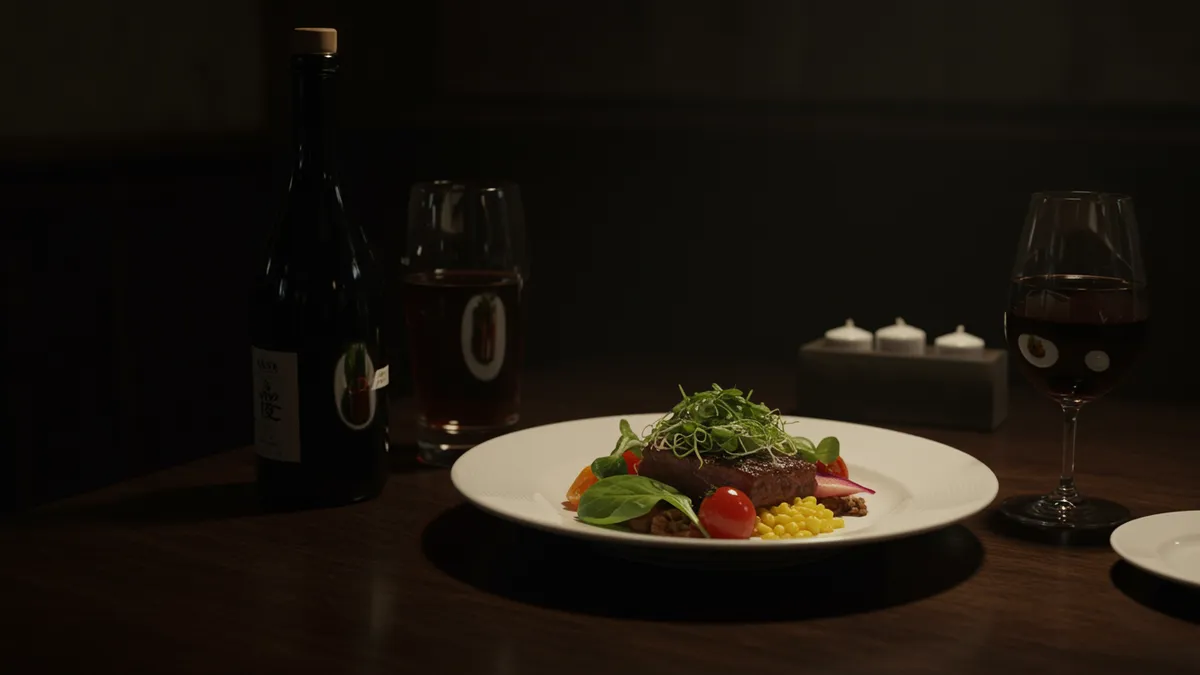
Restaurant branding strategies that attract diners and create lasting customer loyalty. Learn proven tactics to stand out and grow your business.
Restaurant branding strategies that attract diners and create lasting customer loyalty. Learn proven tactics to stand out and grow your business.
A restaurant can serve the best food on the block and still sit half-empty on a Friday night. I've seen it happen more times than I'd like to admit. The culprit? Restaurant branding that fails to communicate what the experience actually feels like before a single bite is taken. Your brand is the promise that pulls someone off the sidewalk, off a delivery app, or out of their usual routine. Get it wrong, and no amount of truffle oil saves you.
Restaurant branding works differently from almost every other industry because it makes an implicit sensory promise. Your logo, color palette, menu typography, and interior design collectively tell a guest what they'll taste, smell, and feel. That's a high-stakes commitment most brand managers underestimate.
Research on multisensory marketing confirms that visual cues shape flavor expectations before food even arrives Spence, 2015. A rustic serif font on kraft paper signals something different from a minimalist sans-serif on white ceramic. Neither is better. But if the visual promise doesn't match the plate, guests feel a disconnect they can't always articulate. They just don't come back.
Think about it this way: Sweetgreen's clean, lowercase branding tells you the salad will be fresh and the space will feel modern. Cracker Barrel's nostalgic wordmark and rocking-chair imagery prepares you for comfort food and Southern charm. Both brands succeed because the visual identity aligns precisely with the dining experience.
Here's what to do with this: audit your brand touchpoints (logo, menu, signage, packaging, social media) and ask whether they tell a consistent sensory story. If your food is bold and spicy but your branding looks like a Scandinavian wellness clinic, there's a gap. A thorough logo analysis can quantify that mismatch before your customers feel it.
Color is the single fastest brand signal your restaurant sends. The human brain processes color before it reads text, which means your palette shapes perception in under 200 milliseconds.
Red and yellow dominate fast food for a reason. Research on color psychology in logos shows that warm tones stimulate appetite and create urgency, perfect for quick-service restaurants optimizing for turnover. McDonald's, Wendy's, Popeyes, and In-N-Out all lean into this palette.
But here's the catch: fine dining plays by entirely different rules. Deep navy, charcoal, muted gold, and forest green signal exclusivity and calm. These cooler, darker tones encourage guests to linger, order another course, maybe add a bottle of wine. The color palette isn't decoration; it's a revenue strategy.
Fast-casual sits in a fascinating middle ground. Chains like Chipotle use earthy browns and warm neutrals to communicate quality ingredients without the price tag of white-tablecloth dining. Sweetgreen uses greens and whites to reinforce freshness. Each color choice reinforces a pricing expectation.
One thing designers overlook: your color palette needs to work across packaging, delivery apps, and social media thumbnails, not just your dining room walls. A color that looks sophisticated on a menu might vanish on a 44x44 pixel app icon. Test your palette at every scale.
Your restaurant's typeface communicates class, culture, and price point before anyone reads a single word. Typography functions as a social signal, telling potential guests whether they belong in your space.
A study on typeface perception found that rounded fonts increase perceptions of sweetness, while angular fonts suggest intensity and sophistication Velasco et al., 2014. This has real implications for restaurant branding. A dessert bar benefits from soft, rounded letterforms. A high-end steakhouse needs something with sharper geometry and heavier weight.
Script fonts signal tradition or artisanal craft. Think of the hand-lettered logos you see on Italian trattorias or French bakeries. They work because they evoke the human hand, suggesting that real people make real food here. Sans-serif fonts, by contrast, communicate efficiency and modernity, which is why they dominate fast-casual and tech-forward restaurant concepts.
Logo shape matters equally. Circular logos feel inclusive and communal (think Starbucks, Pizza Hut). Rectangular or shield-shaped marks suggest establishment and heritage. Abstract marks can work, but they require significant marketing spend to build recognition. For most independent restaurants, a wordmark with distinctive typography is the safest bet because it puts your name front and center.
Quick reality check: if your logo requires explanation, it's not working. A guest scrolling through Uber Eats won't stop to decode a clever visual metaphor. Clarity wins.
Sometimes the best branding insights come from outside your own industry. Animal logo design and pet industry branding offer a masterclass in emotional connection that restaurants can learn from.
Pet brands like BarkBox and Chewy use playful illustrations, warm colors, and rounded shapes to trigger nurturing instincts. Their pet brand logo design choices aren't accidental; they're engineered to make you feel something before you evaluate the product. Restaurants targeting families or creating comfort-food concepts can borrow this playbook. Rounded logos, warm palettes, and friendly mascots lower psychological barriers and make a brand feel approachable.
On the other end of the spectrum, beauty brand identity and cosmetics branding demonstrate how minimalism and premium materials communicate luxury. Brands like Glossier and Aesop use restrained typography, generous white space, and muted color palettes to signal sophistication. Upscale restaurants pursuing a similar clientele should study these choices carefully. The overlap in target demographics means the visual language translates directly.
Consider this: if your ideal customer shops at Sephora and eats at your restaurant on the same evening, your brand should feel like it belongs in her world alongside those beauty brands. Visual coherence across a customer's lifestyle builds trust. You can explore real-world examples of how cross-industry visual strategies strengthen brand perception.
Brand consistency increases revenue by up to 23% according to Lucidpress research, and restaurants have more touchpoints than most businesses realize. Your brand shows up on the storefront, the menu, the napkins, the staff uniforms, the website, the Google Business profile, the delivery packaging, and every social media post.
Each touchpoint is either reinforcing your brand or diluting it. There's no neutral.
I've watched restaurants invest $15,000 in interior design and then hand customers their takeout in a generic white plastic bag. That bag is the last impression. It goes home with the customer. It sits on their kitchen counter. And it says absolutely nothing about who you are.
The fix doesn't require a massive budget. Branded stickers, custom stamps on kraft bags, or even a consistent color on tissue paper can extend your identity into the off-premise experience. With delivery now accounting for a significant share of restaurant revenue, your packaging IS your dining room for a growing percentage of customers.
Worth noting: building trust through visual identity isn't just about looking polished. It's about proving you care enough to be intentional at every point of contact. That intentionality signals quality, and quality is what brings people back.
Most restaurant owners evaluate their brand by gut feeling. "It looks good to me" is not a strategy. You need structured feedback and, ideally, data.
Start with a simple test. Show your logo and one brand photo to ten people who've never visited your restaurant. Ask them three questions: What type of food do you think we serve? What price range would you expect? Would you eat here? If the answers don't match your concept, your branding is misfiring.
For deeper insight, a neuroscience-backed analysis can reveal how people actually perceive your visual identity, not just what they say they think. Eye-tracking data and cognitive load measurements expose whether your logo is memorable, whether your color palette triggers the right emotional response, and whether your typography communicates the right price tier.
You should also run a competitive logo comparison. Pull up your logo alongside five nearby competitors. If yours blends in, you have a differentiation problem. If yours looks like it belongs in a different category entirely, you have a positioning problem. Both are fixable, but only if you spot them.
Most restaurants benefit from a brand refresh every 5 to 7 years, or whenever the concept, menu, or target audience shifts significantly. A full rebrand is rarely necessary unless the original identity was fundamentally misaligned. Look for signs your logo needs a refresh before committing to a complete overhaul.
Absolutely. Ghost kitchens and delivery-only concepts rely entirely on digital brand presence. Your logo, food photography, and app listing design are the only tools you have to compete. Without a physical space to create atmosphere, your visual identity carries 100% of the branding weight.
No. Branding creates expectations; the food has to deliver. But a strong brand can get more people through the door (or onto the app), giving great food the audience it deserves. Branding without substance accelerates failure. Substance without branding limits growth.
Not necessarily. Iconic restaurant brands like Nobu, Noma, and The Cheesecake Factory use wordmarks without literal food illustrations. Food imagery can work for casual concepts but risks looking generic. Prioritize distinctiveness over literal representation.
Your restaurant branding is working for you or against you every hour of every day, on every platform, in every interaction. If you're not sure which one it is, that's a problem worth solving now. Analyze your logo with our neuroscience-backed platform and find out exactly how diners perceive your brand before they ever taste the food.
Discover how architecture firm branding transforms with AI analysis. Learn proven strategies to elev...

Discover how entertainment branding powered by AI insights captivates audiences and drives engagemen...

Discover how sustainable branding powered by AI logo insights transforms your brand identity while r...
Get a free scientific analysis with 550+ metrics across perception and design.
Try Free Analysis