industry applicationsbeauty
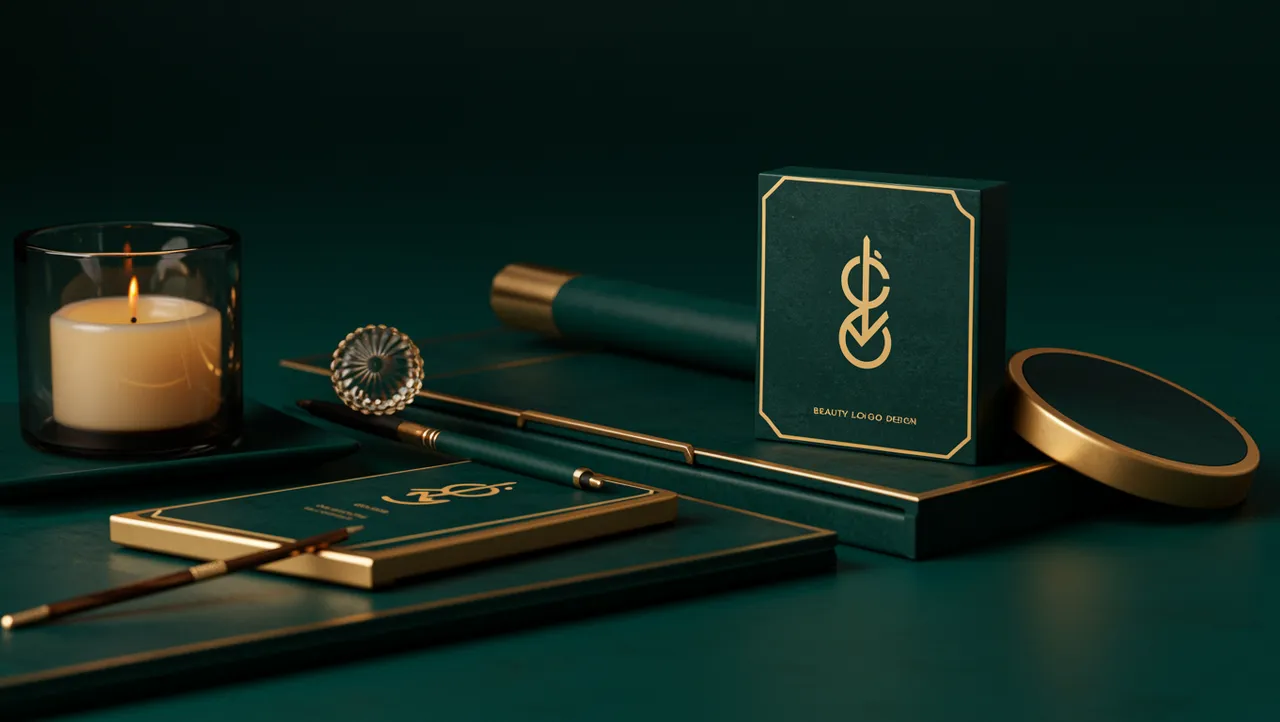
Beauty Logo Design That Captivates at First Glance
Discover stunning beauty logo design ideas that captivate customers instantly. Learn proven strategi...

Learn how nonprofit logo design builds donor trust and credibility. Discover proven strategies to create a memorable brand that inspires giving today.
Learn how nonprofit logo design builds donor trust and credibility. Discover proven strategies to create a memorable brand that inspires giving today.
A nonprofit's logo isn't decoration. It's a trust signal that determines whether someone donates or scrolls past. I once worked with an animal rescue organization that couldn't figure out why their online fundraising had flatlined. Their programs were solid, their social media was active, but donations kept dropping. The culprit? A logo redesign six months earlier had swapped their warm, hand-drawn mark for something sleek and corporate. Donors didn't recognize them anymore, and worse, they didn't feel anything when they saw it.
Nonprofit logo design operates under different rules than commercial branding. You're not selling a product. You're asking people to give money away, and that requires a specific kind of visual persuasion rooted in credibility, warmth, and emotional resonance.
First impressions of a logo form in about 50 milliseconds Lindgaard et al., 2006. For nonprofits, that split-second judgment carries outsized weight because the entire relationship depends on trust. Nobody hands over their credit card to an organization that looks unprofessional, unfamiliar, or emotionally cold.
Research on charitable giving consistently shows that perceived organizational competence drives donation behavior Sargeant & Lee, 2004. Your logo is the first competence signal most donors encounter. A poorly designed mark suggests poor management, even if that's completely unfair.
Think about it this way: commercial brands can lean on product quality to overcome a mediocre logo. If your running shoes perform well, you'll buy them again regardless of the brand mark. Nonprofits don't have that luxury. There's no tangible product to evaluate. Donors rely almost entirely on signals of trustworthiness, and visual identity sits at the top of that signal chain.
This is why building trust through visual identity matters more for mission-driven organizations than almost any other category. Your logo has to do the heavy lifting before a single word of your mission statement gets read.
What does this mean practically? Your nonprofit logo needs to communicate three things instantly: what you care about, that you're legitimate, and that you'll use donations responsibly.
Nonprofit logos that drive donations tend to share a specific emotional architecture: they balance warmth with professionalism. Too warm and you look amateurish. Too polished and you look like you're spending donor money on branding agencies instead of your mission.
The psychology of color plays a critical role here. Blues and greens dominate the nonprofit sector for good reason. Blue triggers associations with reliability and stability Labrecque & Milne, 2012, while green connects to growth, health, and environmental consciousness. But here's the catch: when every organization in your space uses the same blue-green palette, you become invisible.
Animal logo design offers a useful case study. Organizations like the ASPCA and WWF use distinctly different emotional approaches. The ASPCA's orange evokes energy and urgency. WWF's black-and-white panda is iconic precisely because it breaks from expected color conventions in the environmental space.
Consider these emotional levers when designing:
The best nonprofit logos layer these elements deliberately. They don't just look nice; they're engineered to trigger the specific emotional state that precedes generosity.
You might not expect pet industry branding to offer lessons for nonprofits, but the overlap is significant. Both categories depend on emotional connection over rational persuasion. Both need to signal care, compassion, and trustworthiness. And both frequently fail by defaulting to clichés.
Pet brand logo design has matured dramatically over the past decade. The best pet brands have moved away from literal paw prints and cartoon animals toward more sophisticated visual systems that communicate personality and values. Brands like Ollie (dog food) and Fable (pet accessories) use clean, confident design that feels premium without feeling cold.
Nonprofits can steal this playbook. Instead of relying on obvious iconography (the clasped hands, the generic globe, the heart-inside-a-heart), study how modern pet brands create emotional resonance through typography, color relationships, and negative space.
One thing designers overlook: the pet care industry has solved a problem nonprofits still struggle with. They've figured out how to make people feel good about spending money. That's exactly what a nonprofit logo needs to accomplish. Your visual identity should make the act of donating feel rewarding, not obligatory.
A logo analysis can reveal whether your current mark triggers the right emotional associations or accidentally pushes donors away.
This might seem like a stretch, but beauty brand identity and nonprofit branding share a surprising challenge: both must project authenticity in categories plagued by skepticism. Consumers doubt cosmetics claims. Donors doubt that their money will be used well. The visual solution is remarkably similar.
Cosmetics branding has undergone a trust revolution. Brands like Glossier, The Ordinary, and Drunk Elephant succeeded by stripping away the glossy, over-designed aesthetics that dominated the industry. Their logos and packaging feel honest, minimal, and transparent. That visual transparency became a proxy for product transparency.
Nonprofits facing donor skepticism can apply the same principle. Overly complex logos with gradients, multiple colors, and intricate illustrations can inadvertently signal that an organization is trying too hard to look legitimate. Sometimes the most trustworthy design choice is restraint.
Worth noting: The Ordinary's entire brand identity is built on the idea that simplicity equals honesty. Their plain typography and clinical packaging say "we have nothing to hide." For a nonprofit, a similarly restrained approach can communicate that you're focused on your mission, not your marketing budget.
If you're curious whether your current design strikes this balance, sample reports show how our neuroscience-backed methodology evaluates trust signals in logos across different sectors.
Let's get specific. Beyond color and shape theory, certain design decisions have outsized impact on how donors perceive your nonprofit.
Typography matters more than you think. Serif fonts in nonprofit logos tend to score higher on perceived credibility Henderson et al., 2004, while geometric sans-serifs can feel detached. That doesn't mean every nonprofit needs a serif wordmark. But it means your font choice should be intentional, not decorative.
Scalability is a trust issue, not just a design issue. If your logo falls apart at small sizes on a donation confirmation email or a social media avatar, you look unprofessional at exactly the moment someone is deciding whether to give again. Every donor touchpoint reinforces or undermines trust.
Here's what I've seen repeatedly: nonprofits invest in a beautiful logo that works perfectly on their homepage hero image, then wonder why it looks like a blurry mess on their Instagram profile or email signature. Test your logo at every size before you finalize it.
Consistency compounds trust over time. Research on the mere exposure effect Zajonc, 1968 shows that familiarity breeds preference. Every time you use your logo inconsistently (wrong colors, stretched proportions, outdated versions floating around), you reset that familiarity clock. Create brand guidelines and enforce them, even with a small team.
Quick reality check: if your organization has been using an inconsistent visual identity, it might be time to refresh your logo with a more disciplined system.
Not all nonprofit logos face the same challenges. An environmental organization, an animal welfare group, and a human services charity each operate in different emotional territories, and their logos should reflect that.
Animal-focused nonprofits have a unique advantage: their subject matter is inherently emotional. But this creates a trap. Leaning too heavily on cute animal imagery can undermine perceived seriousness. The most effective animal nonprofits balance emotional imagery with structural credibility. Best Friends Animal Society does this well; their logo feels warm but organized.
Environmental organizations face the opposite problem. Their causes can feel abstract and distant. Logos in this space need to make large-scale issues feel personal and urgent, which is why many successful environmental marks focus on a single, specific visual element rather than trying to represent "the whole planet."
Human services nonprofits (poverty, education, health) have the hardest job. They need to represent dignity without being patronizing, urgency without being manipulative, and hope without being naive. The logos that succeed here tend to be typographic-first, letting the organization's name and mission carry the weight rather than relying on potentially reductive imagery.
Whatever your cause category, running a logo evaluation through a neuroscience lens can reveal blind spots that internal teams miss because they're too close to the work.
Blues and greens remain the most common choices because they signal trust and growth. But standing out matters too. Consider warm accent colors like amber or soft coral to differentiate from competitors while maintaining credibility. The right palette depends on your specific cause and audience, not just general color theory.
Both approaches work. Wordmarks (text-only logos) tend to feel more professional and scale better across applications. Combination marks with simple iconography can boost recognition and emotional connection. Avoid overly literal imagery that limits your organization's perceived scope as it grows.
Budget ranges vary enormously, from $500 for a skilled freelancer to $50,000+ for a major agency. The sweet spot for most mid-sized nonprofits falls between $3,000 and $15,000. Whatever you spend, ensure the deliverables include brand guidelines, multiple file formats, and size variations.
You can draw inspiration from commercial design trends, but direct imitation creates confusion and legal risk. More importantly, your logo needs to signal mission-driven purpose. A nonprofit that looks identical to a tech startup or a beauty brand identity will confuse donors about where their money is going.
Your nonprofit logo is doing more persuasion work than any fundraising email you'll ever send. If you're not sure whether it's earning trust or quietly eroding it, analyze your logo with our neuroscience-backed platform. You might discover that the biggest barrier to your next fundraising goal is hiding in plain sight.
Discover stunning beauty logo design ideas that captivate customers instantly. Learn proven strategi...

Discover how AI analysis transforms travel logo design into stunning visual identities. Learn expert...
Learn how construction logo design builds client trust and establishes your brand. Discover proven s...
Get a free scientific analysis with 550+ metrics across perception and design.
Try Free Analysis