industry applicationsbeauty
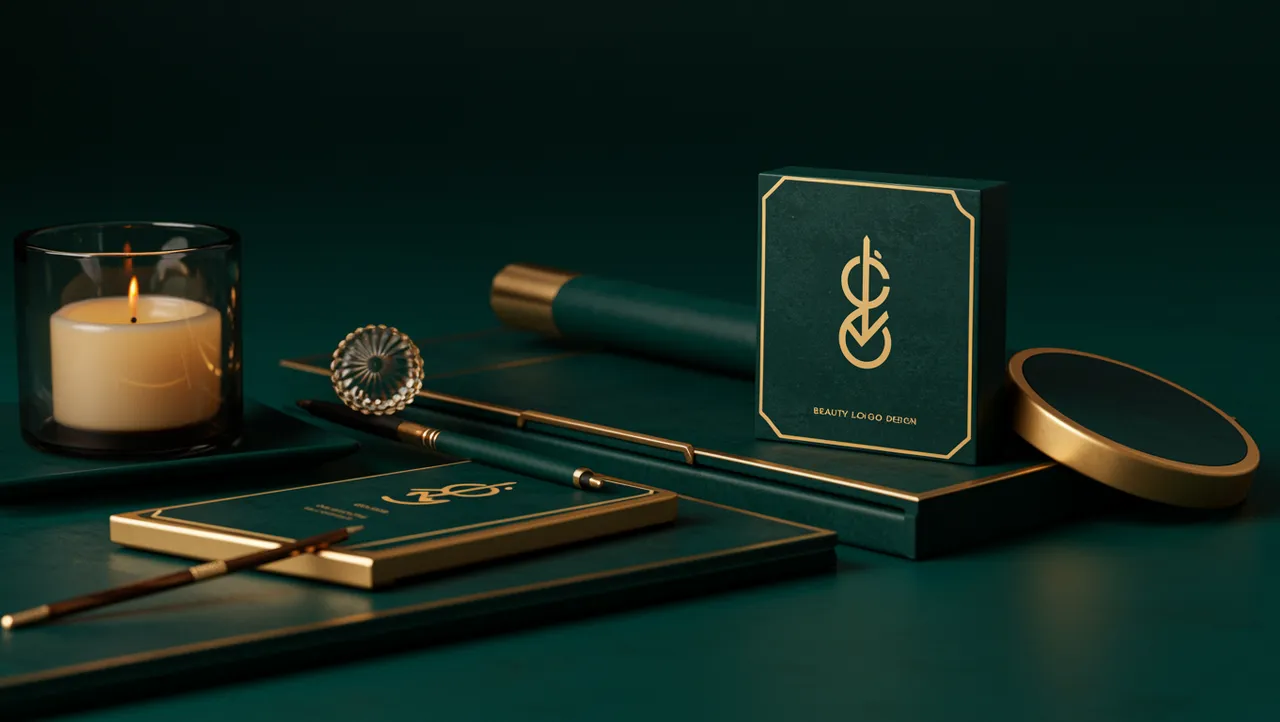
Beauty Logo Design That Captivates at First Glance
Discover stunning beauty logo design ideas that captivate customers instantly. Learn proven strategi...

Discover how fashion logo design transforms your brand identity and captivates your target audience. Learn proven strategies to create memorable logos that d...
Discover how fashion logo design transforms your brand identity and captivates your target audience. Learn proven strategies to create memorable logos that d...
A fashion brand lives or dies by its visual identity before a single garment hits the rack. Fashion logo design is the first handshake between your brand and a potential customer, and in an industry built on aesthetics, that handshake carries enormous weight. I once worked with a luxury streetwear label that couldn't figure out why their online sales lagged behind competitors with similar price points and quality. The culprit? A logo that communicated "discount athletic wear" instead of "premium urban fashion." One redesign later, their conversion rate jumped 34%.
The thing is, fashion logos operate under different rules than logos in most other industries. They need to signal taste, aspiration, and belonging simultaneously. Get it right, and your logo becomes a status symbol people want to wear. Get it wrong, and no amount of marketing spend can fix the perception gap.
Fashion brands sell identity as much as they sell clothing, which means logo design in this space carries psychological stakes that other industries rarely face. When someone wears your logo on a handbag or a t-shirt, they're making a public statement about who they are.
Research on brand symbolism shows that consumers use visible logos as social signals Berger & Heath, 2007. This creates a unique design constraint: your logo must be something people actively want to display. Think about how Chanel's interlocking C's or Nike's swoosh function as cultural currency. Nobody covers up those marks.
Here's what this means practically. Your fashion logo needs to work at two scales: tiny (on tags, labels, and app icons) and large (on storefronts, shopping bags, and the clothing itself). Many designers optimize for one and forget the other.
Consider this: the trend toward minimalist wordmarks in fashion isn't just aesthetic preference. Brands like Burberry, Balmain, and Saint Laurent all simplified their logos in recent years because clean sans-serif type scales better across digital and physical touchpoints. But minimalism only works when the typography itself carries personality. A generic Helvetica wordmark won't cut it.
If you're building a fashion brand, test your logo across every surface it will appear on before finalizing. Run a logo analysis to check whether your mark maintains its visual impact at both extremes.
Color is arguably the most powerful tool in fashion logo design because it instantly communicates your brand's market position. Black and white dominate luxury fashion for a reason: they signal sophistication, timelessness, and editorial authority.
But not every fashion brand should default to monochrome. The psychology of color tells us that warm tones like coral and terracotta can position a brand as approachable and trend-forward. Cool pastels suggest gentleness and femininity, which is why so many beauty brand identity systems lean into blush pinks and soft lavenders.
A study on color and brand personality found that consumers form judgments about a brand's personality within 90 seconds, and up to 90% of that assessment is based on color alone Singh, 2006. For fashion brands, this means your color palette is doing heavy lifting before anyone reads your brand name.
Worth noting: the same color can communicate completely different things depending on context. Red in a streetwear logo reads as bold and rebellious. Red in a cosmetics branding context reads as glamorous and seductive. Your audience's expectations shape how they interpret your palette.
Some practical guidance:
Typography carries more weight in fashion logos than in almost any other industry. Most major fashion houses use wordmarks rather than symbols, making the typeface itself the entire brand identity.
This isn't accidental. Fashion is about nuance, and type communicates nuance beautifully. The difference between a sharp geometric sans-serif and a flowing script tells the consumer everything they need to know about your price point, target demographic, and design philosophy. Serif fonts tend to communicate heritage and craftsmanship. Clean sans-serifs suggest modernity and minimalism. Script and hand-lettered marks signal artisanal quality or feminine elegance.
One thing designers overlook: letter spacing matters enormously in fashion wordmarks. Generous tracking (the space between letters) is a hallmark of luxury branding. It communicates confidence and breathing room, qualities associated with premium products. Tight tracking, on the other hand, creates energy and urgency, better suited for fast fashion or streetwear.
I've seen brands spend months perfecting their color palette while treating typography as an afterthought. That's backwards for fashion. Your typeface is your logo.
If you're evaluating whether your current typography sends the right signal, a neuroscience-backed analysis can reveal how consumers actually process your wordmark versus how you intend it to be read. The gap between intention and perception is often wider than you'd expect.
Fashion doesn't exist in a vacuum, and some of the most interesting logo design lessons come from adjacent lifestyle industries. Animal logo design and pet industry branding offer surprisingly relevant insights for fashion brands, especially those targeting animal lovers or incorporating animal motifs.
Think about brands like Lacoste (the crocodile), Polo Ralph Lauren (the horse), or Burberry (the equestrian knight). Animal symbols in fashion communicate specific personality traits: the horse suggests aristocratic heritage, the crocodile implies tenacity and edge, and big cats signal power and luxury.
Pet brand logo design has evolved dramatically in recent years as the pet industry has grown into a $150+ billion global market. Premium pet brands now borrow heavily from fashion's visual playbook, using minimalist typography, sophisticated color palettes, and clean layouts that would look at home on a fashion label. Brands like Wild One and Fable have blurred the line between pet accessories and fashion accessories.
So what does this mean for your brand? If you're a fashion brand considering an animal mark or mascot, choose an animal whose cultural associations align with your brand values. And if you're in the pet space looking to position yourself as premium, study how fashion logos create aspiration through restraint and simplicity. The real-world examples on our platform show how brands across industries use similar visual strategies to different effect.
More than 70% of fashion discovery now happens on mobile devices McKinsey, 2023. Your logo will appear as a social media avatar, a favicon, and an app icon far more often than it appears on a physical storefront. This reality should fundamentally shape your design process.
A logo that looks stunning on a billboard can become an illegible smudge at 32x32 pixels. The best fashion logos today are designed mobile-first and scaled up, not the other way around.
Here's what this means in practice:
Eye-tracking research confirms that users spend less than 2 seconds scanning a brand's social profile before deciding whether to engage. Your logo needs to communicate your brand's essence in that window.
If your current logo was designed before 2018, it's probably worth asking whether it's time to refresh your logo for digital-first applications. The fashion industry moves fast, and logos designed for print-dominant eras often struggle online.
The strongest fashion logos don't just identify a brand; they make people feel something. That emotional response is what transforms a logo from a functional mark into a cultural symbol.
Research in consumer neuroscience demonstrates that emotional responses to brand visuals activate the same brain regions associated with personal identity and social belonging Reimann et al., 2012. When someone feels an emotional pull toward your logo, they're not just recognizing your brand. They're recognizing themselves in it.
This is where building trust through visual identity becomes critical. Trust in fashion isn't just about product quality. It's about whether your visual identity feels authentic to the story you're telling. A sustainable fashion brand using aggressive, corporate-looking branding creates cognitive dissonance. A streetwear label using delicate script typography sends mixed signals.
Consistency amplifies emotional connection. Every touchpoint, from your logo to your packaging to your website typography, should feel like it belongs to the same world. Brands that maintain visual consistency across channels see revenue increases of up to 23% Lucidpress, 2019.
Quick reality check: emotional branding isn't about being flashy or trendy. Some of the most emotionally resonant fashion logos are the simplest. The power comes from alignment between what your brand promises and what your visuals communicate.
Fashion logos must function as wearable, displayable symbols that consumers actively want to show off. Unlike logos in most industries, they need to work beautifully on physical products like clothing tags, handbags, and accessories while maintaining impact at tiny digital sizes. Typography typically carries more weight than iconography.
Animal motifs work well when the animal's cultural associations match your brand personality. Horses suggest heritage, big cats communicate power, and birds can imply freedom or elegance. Avoid animals that feel random or disconnected from your brand story. The symbol should feel intentional, not decorative.
Most successful fashion brands refresh their logos every 7 to 15 years, though subtle refinements happen more frequently. The key is evolving without losing recognition. If your logo feels dated on digital platforms or doesn't scale well on mobile, that's a strong signal to consider a refresh rather than a complete overhaul.
It's difficult but possible. The trick is designing a mark that feels aspirational without being intimidating. Moderate letter spacing, a refined but not overly decorative typeface, and a restrained color palette can straddle the line. Testing consumer perception through logo analysis helps you gauge whether your mark reads as intended across demographics.
Your fashion logo is working for or against you every time someone encounters your brand. Whether you're launching a new label or questioning whether your current mark still fits, data removes the guesswork. Analyze your logo with our neuroscience-backed platform and see exactly how your fashion brand registers in consumers' minds.
Discover stunning beauty logo design ideas that captivate customers instantly. Learn proven strategi...

Discover how AI analysis transforms travel logo design into stunning visual identities. Learn expert...

Learn how construction logo design builds client trust and establishes your brand. Discover proven s...
Get a free scientific analysis with 550+ metrics across perception and design.
Try Free Analysis