neuroscience brandingluxury
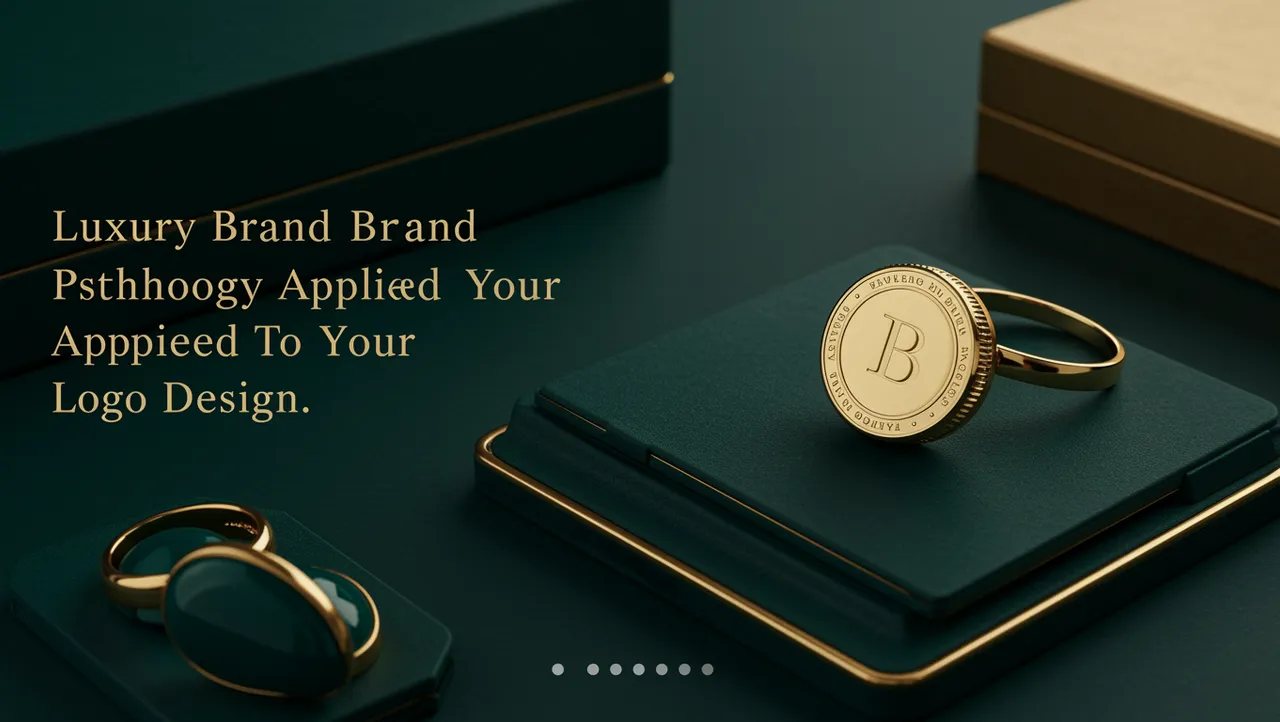
Luxury Brand Psychology Applied to Your Logo Design
Learn how luxury brand psychology shapes logo design and elevates your brand perception. Discover pr...
Discover brand recall science principles that transform your logo design into a memorable visual asset. Learn proven techniques to boost recognition today.
Discover brand recall science principles that transform your logo design into a memorable visual asset. Learn proven techniques to boost recognition today.
A logo you can't remember is a logo that isn't working. That's the blunt truth most brand managers don't want to hear, but brand recall science confirms it repeatedly. I once sat in a boardroom where a CEO proudly unveiled a new logo, only to watch twelve stakeholders struggle to sketch it from memory ten minutes later. The design was beautiful. It was also completely forgettable. Understanding why some logos stick while others vanish requires looking beyond aesthetics and into how the brain actually stores visual information.
Memory doesn't work like a filing cabinet. It works more like a filter, and most of what you see gets discarded within seconds. The brain's hippocampus acts as a gatekeeper, deciding which visual inputs deserve long-term storage based on a few key criteria: emotional resonance, distinctiveness, and repetition Squire & Wixted, 2011.
For logo designers, this has massive implications. A mark that blends in with competitors triggers no signal worth preserving. Your brain literally treats it as noise. But a logo that introduces a visual surprise, something slightly unexpected, gets flagged for deeper processing.
Think about it this way: the FedEx arrow hidden between the E and x creates a small moment of discovery. That moment generates a micro-burst of dopamine, which the hippocampus interprets as "this matters, keep it." Research on the Von Restorff effect shows that items that stand out from their surroundings are remembered significantly better than those that conform Hunt, 1995.
So what should you do? Audit your logo against your direct competitors. If you placed them all on a wall, could someone pick yours out in under two seconds? If the answer is no, distinctiveness should be your first design priority. Running a logo analysis can help you quantify exactly where your mark falls on the memorability spectrum.
Negative space logo design does more than look clever. It gives the brain two images for the price of one, which creates a stronger memory trace. When viewers perceive a hidden shape within a logo, they engage in what cognitive scientists call "perceptual problem-solving," and that active engagement dramatically improves recall Koffka, 1935.
The classic examples are well known. The arrow in FedEx. The bear in the Toblerone mountain. The spartan helmet in the Spartan Golf Club logo. But negative space branding isn't just a party trick for design awards. It's a legitimate encoding strategy.
Here's what's interesting: a study on visual memory found that images requiring active interpretation were recalled 36% more accurately after a 48-hour delay compared to straightforward images Craik & Lockhart, 1972. The "depth of processing" effect means that when your audience has to work slightly harder to see the full logo, they remember it longer.
One thing designers overlook: negative space only works when the hidden element is discoverable, not obscure. If it takes someone thirty seconds and a hint to find it, you've created a puzzle, not a brand mark. The sweet spot is a 1-3 second discovery window. Quick enough to feel rewarding, slow enough to require genuine attention.
Most branding advice boils down to "show your logo more often." That's incomplete. Memory consolidation branding research reveals that how and when people encounter your logo matters far more than raw frequency.
During sleep, the brain replays and strengthens neural pathways formed during the day Stickgold, 2005. This means a single meaningful encounter with your logo can outperform dozens of passive exposures. The brain consolidates memories that carried emotional weight or cognitive engagement, not ones that simply appeared in a sidebar ad for the hundredth time.
This is where it gets tricky. You can't control when people sleep. But you can control the quality of each brand touchpoint. A logo placed at the moment of peak emotional engagement (the confirmation screen after a purchase, the splash screen of an app someone loves, the packaging of a gift) gets consolidated far more effectively than the same logo on a forgettable banner.
Consider this: eye-tracking research shows that logo placement during high-attention moments increases recall by up to 2.5x compared to peripheral placement. Pair strategic placement with a distinctive mark, and you're working with the brain's consolidation process rather than against it.
The human visual system is obsessed with patterns. We see faces in clouds, animals in rock formations, and letters in random shapes. Clever logo design techniques take advantage of this hardwired tendency by embedding recognizable forms within abstract compositions.
Pattern recognition happens in the fusiform gyrus, a brain region that processes familiar shapes with remarkable speed Kanwisher, 1997. When a logo activates this region, it gets processed faster and stored more reliably. Logos that combine letterforms with recognizable objects (think the bird in the Twitter logo or the smile-arrow in Amazon's wordmark) create dual encoding: the brain stores both the symbolic meaning and the visual form simultaneously.
This dual encoding principle, first described by Paivio 1986, suggests that information processed through both verbal and visual channels is remembered roughly twice as well as information processed through only one. A logo that reads as both a letter and an image gives your audience two retrieval paths instead of one.
Practical application? When exploring clever logo design techniques, look for natural overlaps between your brand name's letterforms and visual concepts related to your industry. Don't force it. The best examples feel inevitable, not contrived. And if you want to see how your current design performs on these cognitive dimensions, our neuroscience-backed analysis breaks down exactly which memory triggers your logo activates.
Simple logos are easier to remember. Except when they're not. Logo memorability science reveals a paradox that trips up many designers: reducing a logo to its most minimal form can actually decrease recall if you strip away the features that made it distinctive.
A large-scale study analyzing over 2,000 brand marks found that moderately complex logos were remembered better than either very simple or very complex ones Pieters, Wedel, & Batra, 2010. The relationship between complexity and recall follows an inverted U-curve. Too simple, and there's nothing for the brain to grab onto. Too complex, and the brain gives up trying to encode it.
The data tells a different story than the "simplify everything" mantra popular in design circles. Apple's logo works at extreme simplicity because the apple-with-a-bite is already a culturally loaded symbol. But a generic geometric shape with no conceptual anchor? That's just a shape. Nobody remembers shapes.
Your goal should be "optimal distinctiveness," a term coined by Brewer 1991 in social identity research but perfectly applicable here. Your logo needs enough complexity to be unique, but enough simplicity to be reproducible from memory. A good test: ask five people to draw your logo after seeing it once. If they capture the essential form, you've hit the right balance. If they can't recall any defining feature, it might be time to refresh your logo.
Emotion isn't a soft metric. It's the single most powerful predictor of whether a visual memory persists. The amygdala tags emotionally charged experiences for priority storage, and this tagging process applies to brand encounters just as much as personal ones McGaugh, 2004.
Logos that evoke an emotional response, even a subtle one, benefit from what neuroscientists call "emotional enhancement of memory." This doesn't mean your logo needs to make people cry. A sense of warmth, playfulness, trust, or intrigue is enough to trigger the effect.
Quick reality check: most logos evoke nothing. They're competent, professional, and emotionally flat. That flatness is the real enemy of brand recall science, not poor typography or bad color choices. The psychology of color plays a role here too, since warm tones tend to generate stronger emotional responses than cool neutrals.
What can you actually do with this? Test your logo's emotional impact before committing to it. Show it to people outside your organization and ask them to describe what they feel, not what they think. "It looks professional" is a thought. "It makes me feel confident" is an emotion. Chase the emotion.
Research suggests 5-7 meaningful exposures are needed before a logo enters long-term memory Zajonc, 1968. But "meaningful" is the key word. Passive exposures (background ads, tiny favicons) count far less than active encounters where the viewer engages with the brand directly.
Shape tends to be the stronger recall driver. A study by Huang and Lin 2017 found that consumers identified brands by shape 28% faster than by color alone. Color reinforces recognition, but shape creates the initial memory trace. Both matter, but prioritize a distinctive form first.
Absolutely. If the hidden meaning or visual trick requires explanation, it fails the recall test. The best clever logos reward attention without demanding it. Your audience should be able to appreciate the design at surface level and discover deeper meaning over time.
Yes. Even informal testing beats guesswork. Show your logo to 10-15 people for five seconds, then ask them to sketch it an hour later. You'll learn more from those rough drawings than from months of internal design reviews. For a more rigorous approach, try the demo to see how neuroscience metrics evaluate your design.
Brand recall isn't magic, and it isn't luck. It's neuroscience you can apply to every design decision. If you're wondering whether your current logo is actually sticking in people's minds, or just passing through, analyze your logo with our platform. You'll get a clear, science-backed read on memorability, distinctiveness, and emotional impact so you can design with the brain in mind.
Learn how luxury brand psychology shapes logo design and elevates your brand perception. Discover pr...
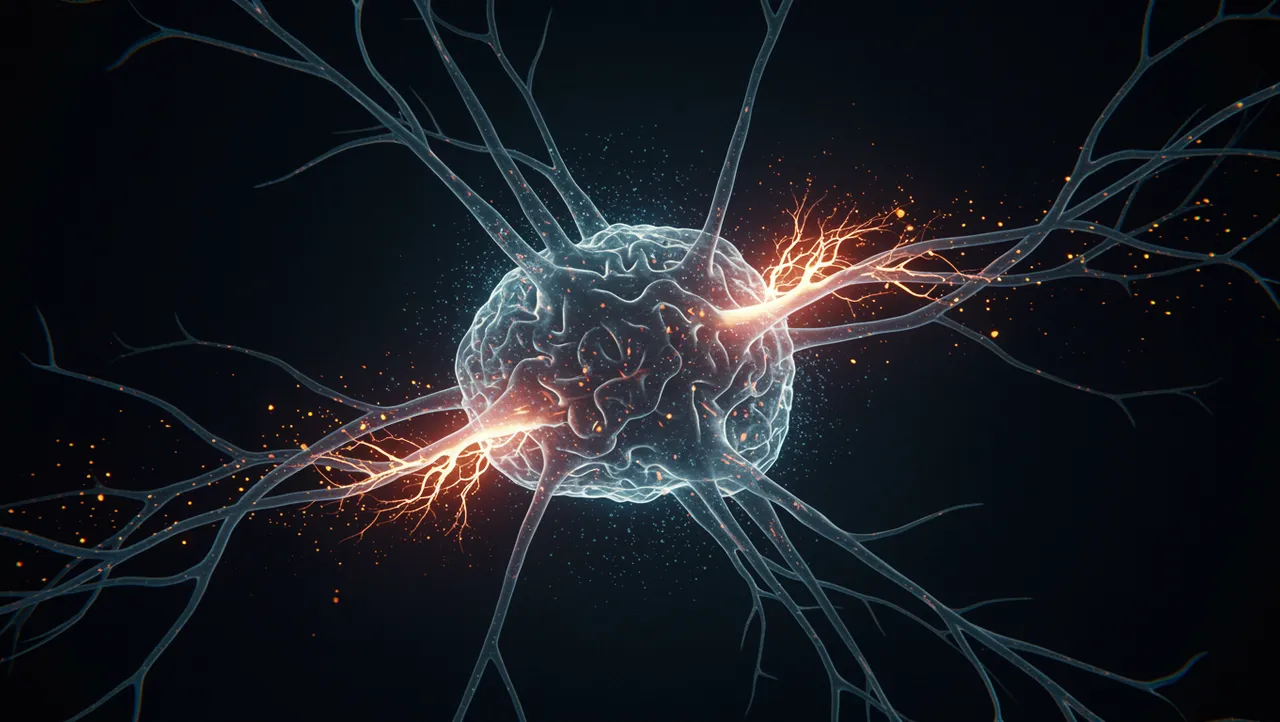
Repeated brand exposure builds lasting customer memories and drives recognition. Learn proven tactic...
Discover how brand loyalty psychology shapes effective logo design. Learn the psychological principl...
Get a free scientific analysis with 550+ metrics across perception and design.
Try Free Analysis