color psychologyoptimize
Optimize Logo Colors Using Neuroscience-Backed Data
Optimize logo colors using neuroscience research to boost brand recognition and customer engagement....
Discover how effective logo colors influence consumer behavior using neuroscience principles. Learn to choose colors that boost brand recognition and drive r...
Discover how effective logo colors influence consumer behavior using neuroscience principles. Learn to choose colors that boost brand recognition and drive r...
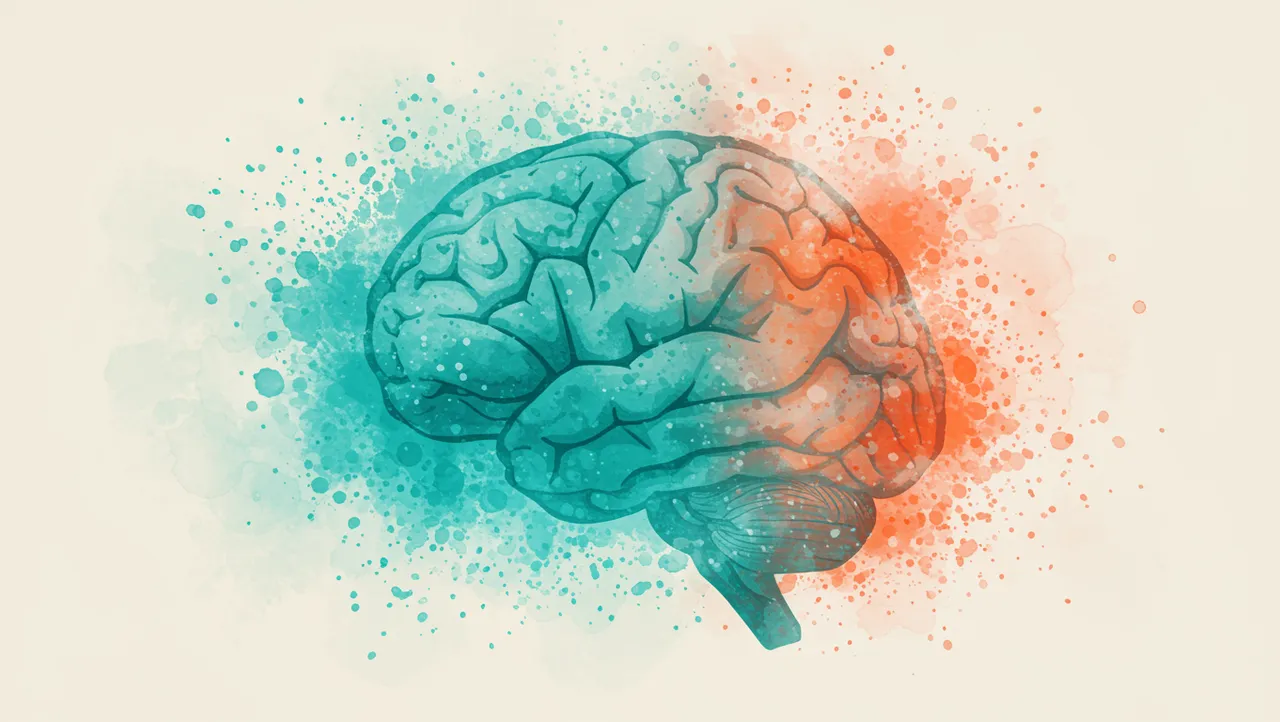
A brand's color palette isn't a mood board exercise. It's a neurological decision that shapes how people feel before they read a single word. Choosing effective logo colors requires understanding what happens in the brain during those first 50 milliseconds of visual contact. And most designers get it wrong. Not because they lack taste, but because they're designing for aesthetics when they should be designing for perception.
I once worked with a health-tech startup that had a gorgeous deep purple logo. The founders loved it. Their target audience (hospital administrators over 50) associated it with luxury cosmetics. The logo was technically beautiful and strategically disastrous. That gap between what looks good and what works is exactly where neuroscience comes in.
Color processing happens in the visual cortex roughly 60-80 milliseconds after exposure, faster than conscious thought. This means your logo's color palette triggers emotional and associative responses before a viewer even registers your brand name. Research by Labrecque and Milne (2012) found that color alone can account for up to 90% of snap judgments about products, depending on the category.
Here's what's interesting: those snap judgments aren't random. They follow predictable neural pathways shaped by cultural exposure, personal experience, and biological wiring. Blue activates associations with stability and calm partly because of its prevalence in natural environments (sky, water). Red triggers arousal and urgency because of its evolutionary link to danger signals.
But context matters enormously. A red logo for a meditation app sends conflicting signals. A blue logo for an energy drink feels flat. The psychology of color isn't about universal rules. It's about alignment between what the color triggers and what your brand promises.
What should you do with this? Before selecting any palette, define the emotional response you need from your specific audience. Then test whether your color choices actually produce that response, rather than assuming they will.
Purple branding tech companies have adopted at scale. Twitch, Roku, Figma, Nubank: the list keeps growing. There's a reason. Purple sits at the intersection of blue's trustworthiness and red's energy, which makes it a natural fit for technology brands that want to feel both innovative and reliable Elliot & Maier, 2014.
The purple color meaning brand strategists rely on typically includes creativity, premium quality, and a hint of nonconformity. In a sea of blue SaaS logos, purple stands out without feeling aggressive. It signals "we're different, but you can still trust us."
But here's the catch: purple's effectiveness depends heavily on shade and saturation. A deep violet reads as luxury or spirituality. A bright magenta-purple feels playful and youthful. A desaturated lavender can come across as weak or indecisive. Slack's aubergine works because it's confident and warm. A paler version of that same hue would undermine the entire brand personality.
One thing designers overlook: purple is also the color most affected by screen calibration differences. What looks like a rich plum on your MacBook Pro might render as muddy brown on a budget Android phone. If you're going purple, test your logo across at least five different display types before committing. For a deeper look at how color temperature shifts perception, see our guide on color temperature branding.
The most expensive logo mistakes happen when teams skip brand color testing and trust their own preferences instead. You are not your customer. Your design team is not your customer. Even your CEO's spouse is not your customer.
Effective testing doesn't require a six-figure research budget. Here's what works:
Worth noting: testing with fewer than 30 respondents from your actual target demographic will give you noise, not signal. And testing with designers or marketing professionals will give you expert bias, which is equally useless for predicting consumer response.
Our neuroscience-backed analysis can complement qualitative testing by measuring the cognitive and emotional patterns your color choices activate.
Color A/B testing logo variants is one of the most underused tools in brand development. Most A/B testing focuses on button colors or ad creative. But testing logo color variations, even subtle ones, can reveal surprising differences in brand perception and conversion.
Consider this: a study by Bottomley and Doyle (2006) demonstrated that the "fit" between a color and a product category significantly influenced purchase intent. Their research showed that functional products benefited from functional colors (blues, grays), while sensory-social products performed better with sensory-social colors (reds, purples, pinks). The match mattered more than the color itself.
So how do you run a meaningful logo color test?
The goal isn't to find the "best" color in the abstract. It's to find the color that drives the specific behavior you need from the specific people you're targeting. You can compare logos side by side to see how different palettes perform against key perception metrics before investing in a full A/B test.
Most brands design their logo once and deploy it everywhere. That's a problem. The same blue that feels authoritative on a white website header can look invisible on a navy trade show banner. To truly optimize logo colors, you need to think about context from the start.
Digital screens emit light. Print absorbs it. These are fundamentally different color experiences, and your audience's brain processes them differently. Research on ambient lighting and color perception Fairchild, 2013 confirms that environmental context shifts how colors are perceived, sometimes dramatically.
Think about it this way: your logo will appear on phone screens at 3 AM (low brightness, blue light filter on), on sunlit billboard displays, in dark-mode app interfaces, and printed on recycled cardboard packaging. A single color specification can't perform equally across all of those.
Practical steps that help:
For brands navigating these complexities across multiple touchpoints, our corporate branding services provide systematic testing across deployment contexts.
Choosing effective logo colors ultimately comes down to one question: does this color make people feel what my brand promises to deliver?
That alignment between emotional trigger and brand experience is what separates memorable brands from forgettable ones. Coca-Cola's red doesn't just grab attention. It promises excitement, energy, and shared joy. Every sip is supposed to deliver on that promise. The color and the product reinforce each other in a loop that strengthens over decades.
I've seen brands choose colors based on competitor analysis alone. "Our competitors use blue, so we'll use orange to stand out." Standing out is fine. But if orange signals playfulness and your product is enterprise security software, you've created a trust gap that no amount of marketing spend can close. Our guide on brand color combinations that trigger the right emotions breaks this alignment process down further.
The data tells a different story than most branding agencies want to admit: there is no universally "best" logo color. There is only the right color for your brand, your audience, and your context. Finding it requires research, testing, and a willingness to let go of personal preferences.
Quick reality check: if your team is debating colors based on who has the strongest opinion in the room, you're doing it wrong. Use data. Use logo analysis. Use actual audience feedback. Then decide.
Most effective logos use one to three colors. Research suggests that simpler color palettes improve recognition and recall Hynes, 2009. A single dominant color with one accent color is the safest approach. More than three creates visual complexity that hurts memorability, especially at small sizes.
Yes, but carefully. A color shift signals change to your audience, whether you intend it or not. Minor adjustments, like shifting from royal blue to navy, typically go unnoticed. Major changes, like blue to orange, require a communication strategy. Check our guide on signs your logo needs a refresh for more context.
Not directly; search engines don't index color. But color affects user behavior metrics that do influence rankings: bounce rate, time on page, and click-through rate. A logo that creates the wrong emotional impression can drive visitors away before they engage with your content.
Generally, yes. B2B audiences tend to respond more favorably to cooler, desaturated palettes that signal professionalism and reliability. B2C brands have more freedom to use saturated, warm colors that trigger emotional engagement. But industry context and audience demographics matter more than the B2B/B2C distinction alone.
Your logo's colors are doing neurological work every time someone sees your brand, and whether that work helps or hurts depends on how intentionally you've chosen them. Want to know what your current palette is actually communicating? Analyze your logo with our neuroscience-driven platform and get a detailed breakdown of the emotional and cognitive signals your colors are sending.
Optimize logo colors using neuroscience research to boost brand recognition and customer engagement....

Discover how color A/B testing logo designs increases brand recognition and conversions. Learn prove...

Discover how purple logo design conveys luxury and authority for your brand. Learn expert tips to cr...
Get a free scientific analysis with 550+ metrics across perception and design.
Try Free Analysis